Step 1
Request
Send a few details through the form or call the office. The care team responds within one business day.
Four things change when a neurovascular specialist takes the case: the imaging gets read properly, the cause gets found, the prevention plan is written down, and the follow-up actually happens.
01 / 04
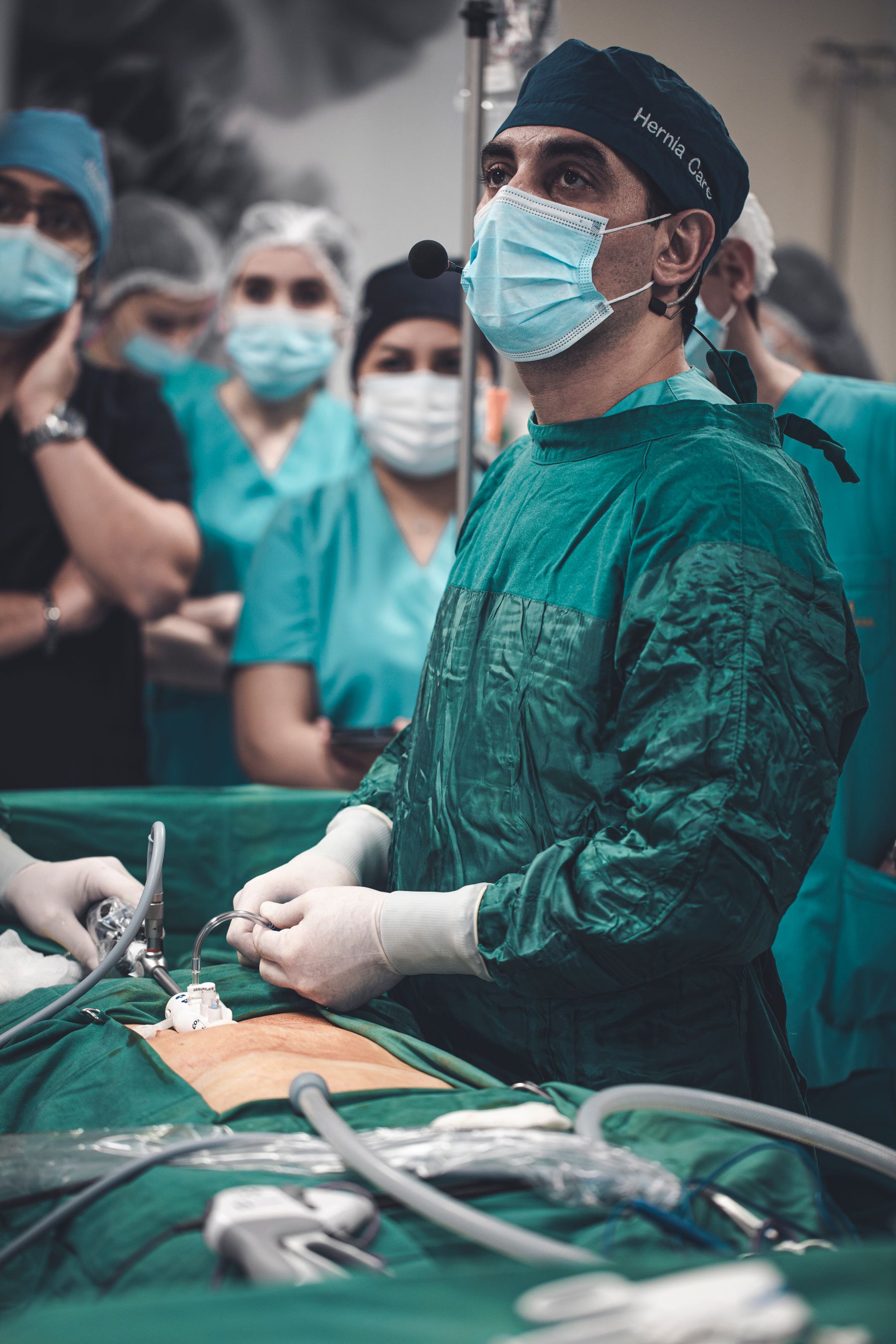
Vascular neurology is the subspecialty concerned with the arteries and veins that supply the brain and spinal cord. It is a narrow field, and that is the point: the same symptom can come from a clot, a narrowed artery, a tiny bleed, or something that is not vascular at all, and telling those apart changes everything about treatment.
Dr. Ranawat completed a vascular neurology fellowship at the University of Pittsburgh Medical Center Stroke Institute and an endovascular surgical neuroradiology fellowship at UHS-SUNY Upstate Medical University. He holds a Diplomate in Vascular Neurology from the ABPN and a Diplomate in Interventional Neurology from the UCNS.
In practice that means the consultation starts with the question most often skipped — why did this happen to this patient, at this point in their life — and works forward from the answer.
02 / 04
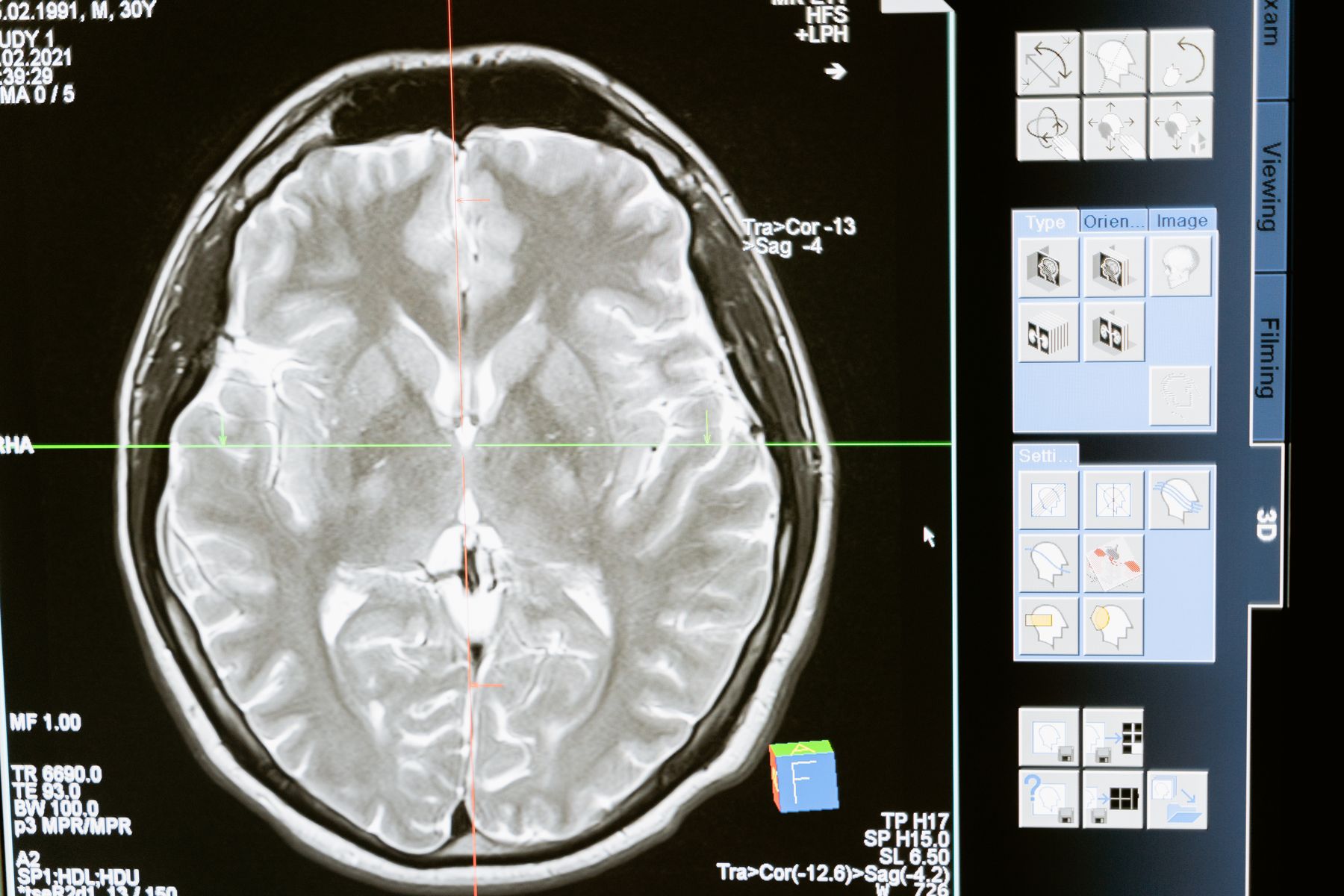
Most patients arrive with imaging already done — often several studies, often read by different people, often summarized in a single line they were never given time to ask about.
Dr. Ranawat reviews the images themselves rather than only the reports. A vascular neurologist with endovascular training is looking for different things than a general reader: the state of the vessel wall, collateral flow, the pattern of the infarct, whether the narrowing seen on one study is real or an artifact of how it was acquired.
You will be shown what is on your scan and what it means. Patients consistently describe this as the first time anyone explained the picture to them.
03 / 04
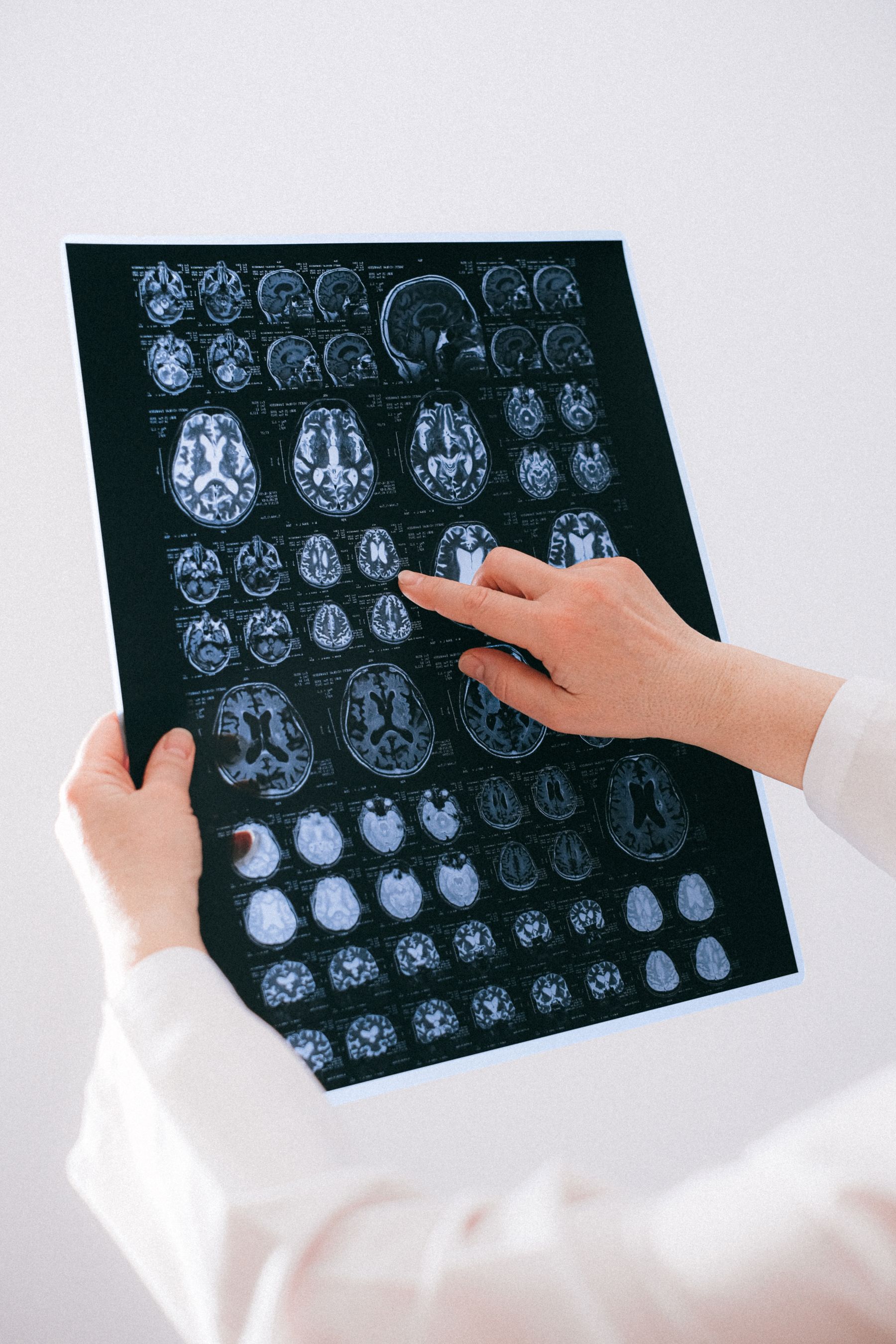
Preventing the second stroke is the part of stroke care that actually changes a life, and it is almost entirely unglamorous: blood pressure, lipids, rhythm, glucose, sleep, medication that is taken as prescribed because the patient understands why.
A prevention plan here is one document, not five conflicting ones. It sets targets, names the medication and the reason for it, and says what to do if a number drifts — written so that a family member can follow it too.
Where atrial fibrillation, patent foramen ovale, carotid narrowing or a clotting disorder is driving the risk, that is addressed directly rather than managed around.
04 / 04
Neurological follow-up is largely conversation and review — how the medication is being tolerated, what the latest numbers show, whether a new symptom matters. Very little of that requires a waiting room.
Virtual visits are used for follow-ups, medication adjustment, imaging review and second opinions. For patients recovering from a stroke, for families who are doing the driving, and for anyone living a long way from a stroke center, this is often the difference between follow-up happening and not happening.
Dr. Ranawat is licensed across more than a dozen states, which makes continuity possible even when a patient moves or travels.
Step 1
Send a few details through the form or call the office. The care team responds within one business day.
Step 2
Your history, records and any existing imaging are reviewed before the appointment — not during it.
Step 3
In person or by secure video. You will see your own imaging and hear what it shows, in plain language.
Step 4
A written plan with targets, medications and the reasoning behind each one — something a family member can follow too.
Step 5
Virtual follow-up for adjustments and questions, so the plan stays current as the numbers change.
Stroke treatment is measured in minutes. Recognising it early is the single most useful thing a family member can do — the sooner treatment begins, the more brain is saved.
B
Balance
Sudden loss of balance or coordination
E
Eyes
Sudden trouble seeing in one or both eyes
F
Face
One side of the face droops when smiling
A
Arms
One arm drifts down when both are raised
S
Speech
Speech is slurred, strange or hard to find
T
Time
Note the time and call 911 immediately
Request a consultation to review your neurological risk and start a prevention plan built around you.