01
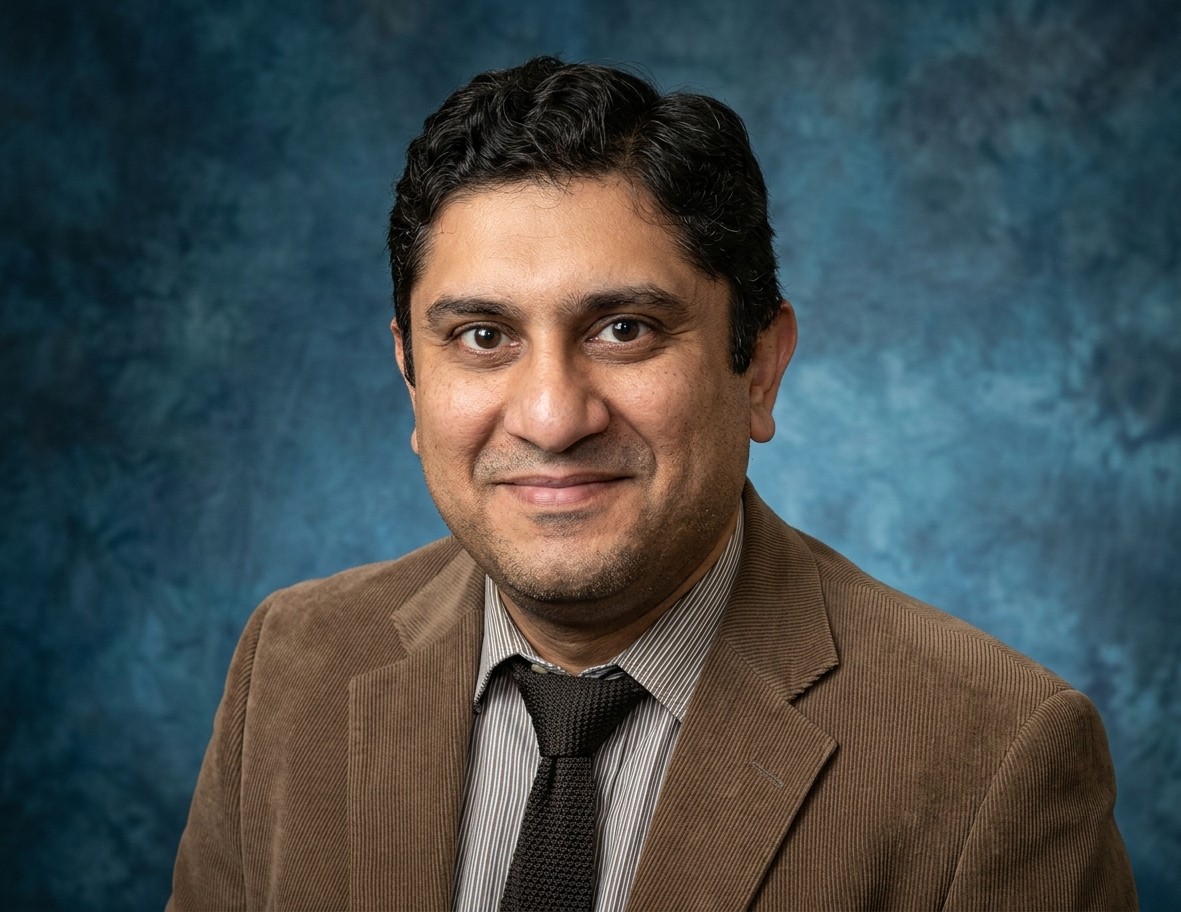
About Dr. Ranawat
Board-certified in neurology and vascular neurology, with a Diplomate in Interventional Neurology and more than fifteen years treating the blood vessels of the brain.
About Dr. RanawatThe precision of neurovascular medicine. The patience of a good listener.
Dr. Nishant Ranawat is a board-certified neurologist and neuro-interventional specialist who treats stroke, brain aneurysms, carotid artery disease and other complex cerebrovascular conditions — combining technical expertise with clear, patient-centered communication.
01
Board-certified in neurology and vascular neurology, with a Diplomate in Interventional Neurology and more than fifteen years treating the blood vessels of the brain.
About Dr. Ranawat02
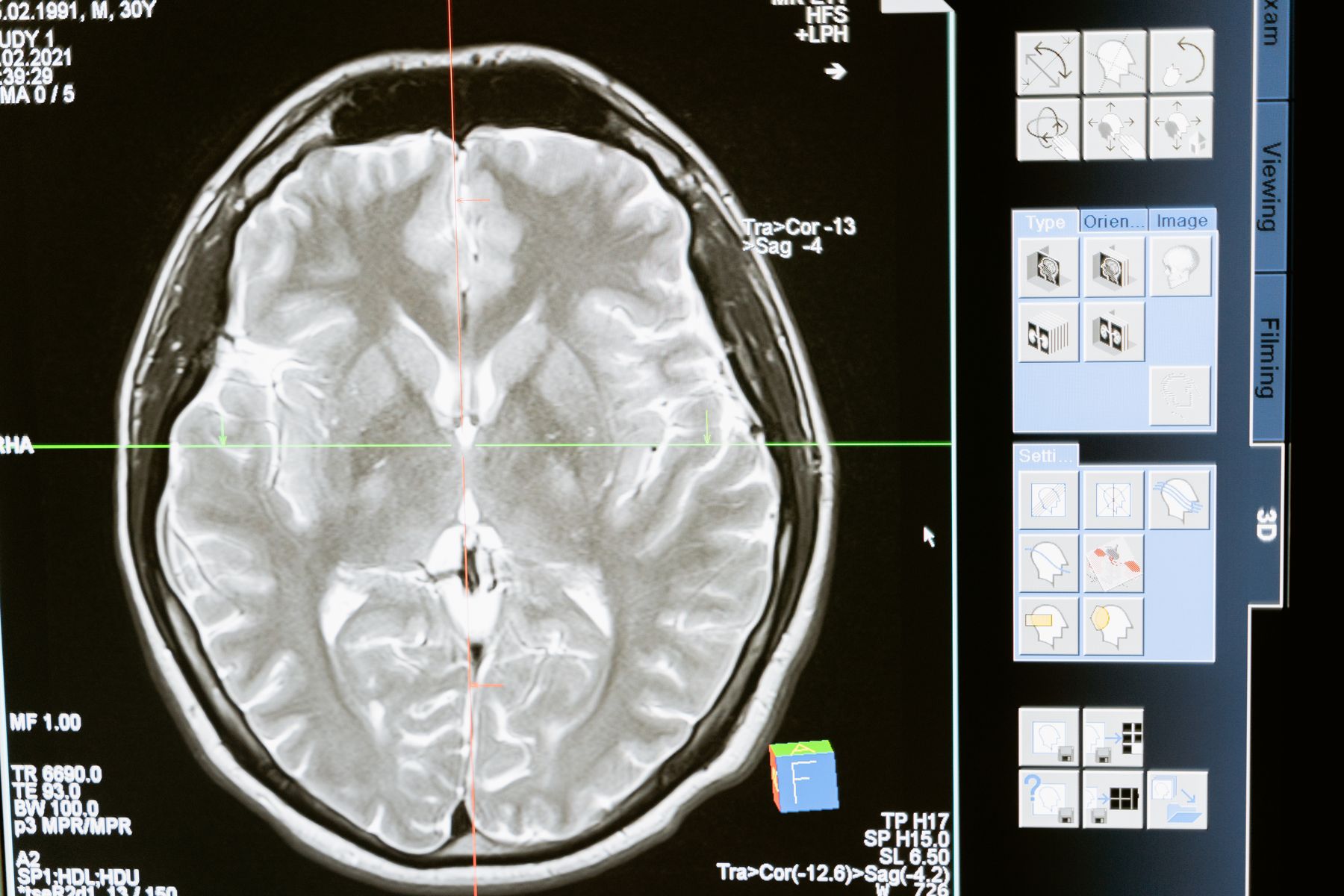
Imaging read properly, causes found rather than symptoms managed, and a written prevention plan you and your family can actually follow.
How we care03
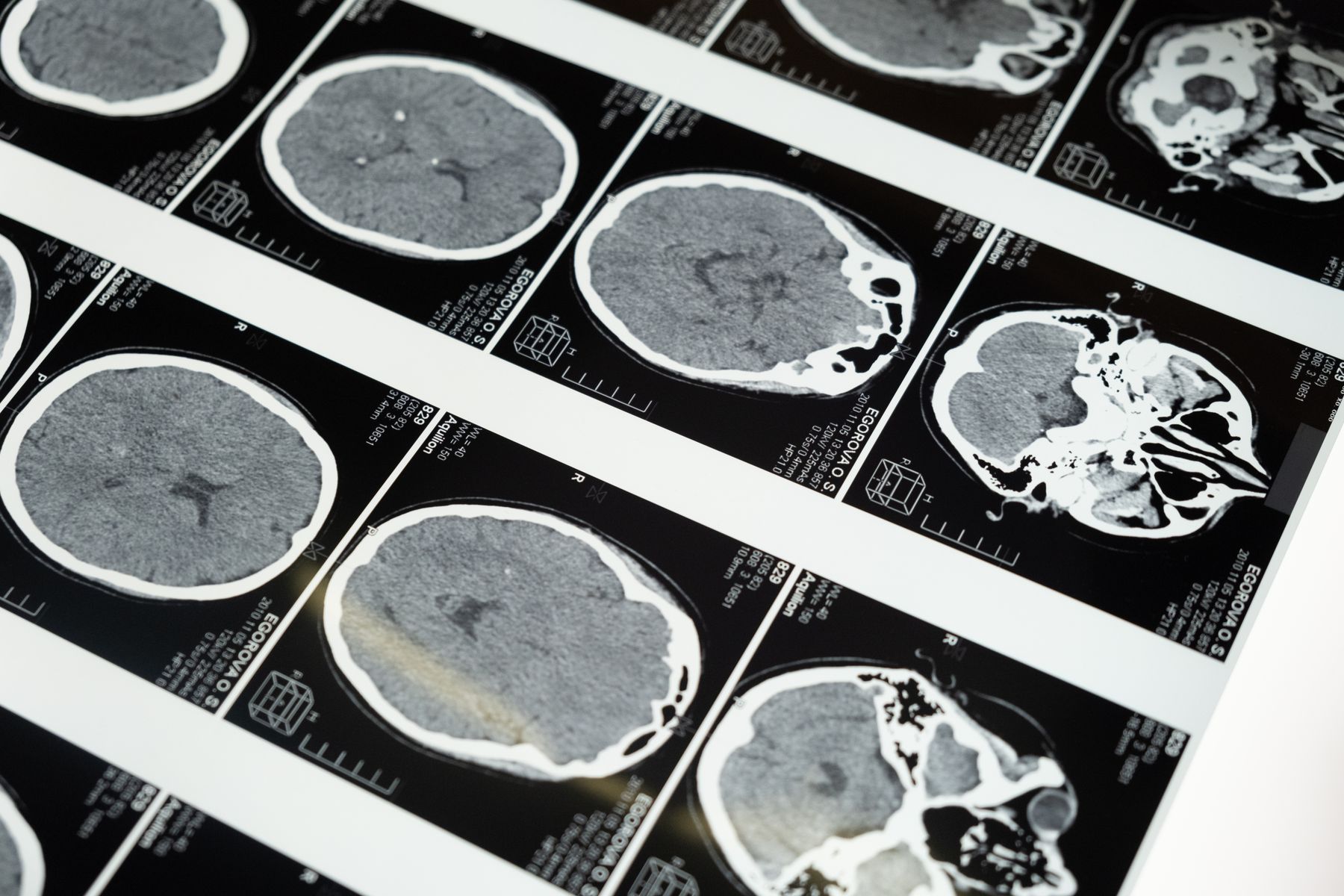
Stroke, TIA, aneurysm, carotid disease, AVM, migraine, seizure, neuropathy and vascular cognitive change.
Conditions treated01
Fellowship-level focus on stroke and blood-vessel disorders of the brain — from TIAs and aneurysm risk to carotid disease and vascular cognitive decline.
02
MRI, MRA, CT angiography and carotid ultrasound read alongside your history to find the cause, not just the symptom.
03
Blood pressure, cholesterol, atrial fibrillation and metabolic risk addressed together in one personalized prevention protocol.
15+
Years in specialized practice
12+
States licensed to practice
6
Major stroke trials contributed to
4
Languages spoken
More than fifteen years devoted to the blood vessels of the brain — stroke, aneurysm, carotid disease and the long tail of recovery and prevention that follows.
Licensure across more than a dozen states, including Texas, New York, California, Florida, Oregon and Virginia — which makes telemedicine follow-up and out-of-state second opinions genuinely possible.
IMS-III, SAMMPRIS, DEFUSE II, MISTIE-ICES, COSS and ACT-1 — the trials that shaped how acute stroke is treated today.
English, Hindi, Urdu and Rajasthani. Families are welcome to bring whoever helps them think clearly — and to have the conversation in the language they think in.
Dr. Nishant Singh Ranawat is a board-certified neurologist and neuro-interventional specialist with advanced expertise in vascular neurology, stroke care and minimally invasive treatment of complex cerebrovascular conditions. He treats patients with stroke, brain aneurysms, carotid artery disease, vascular malformations and other disorders affecting the blood vessels of the brain and nervous system.
Hover over any condition — or tap it — to see what it is and what happens next.
Ischemic stroke
Hemorrhagic stroke
TIA (mini-stroke)
Post-stroke recovery
Brain aneurysm
Arteriovenous malformation (AVM)
Vascular malformation embolization
Carotid artery disease
Intracranial stenosis
Stroke treatment is measured in minutes. Recognising it early is the single most useful thing a family member can do — the sooner treatment begins, the more brain is saved.
B
Balance
Sudden loss of balance or coordination
E
Eyes
Sudden trouble seeing in one or both eyes
F
Face
One side of the face droops when smiling
A
Arms
One arm drifts down when both are raised
S
Speech
Speech is slurred, strange or hard to find
T
Time
Note the time and call 911 immediately
Reviews are published as written, with typographical corrections only.
Step 1
Send a few details through the form or call the office. The care team responds within one business day.
Step 2
Your history, records and any existing imaging are reviewed before the appointment — not during it.
Step 3
In person or by secure video. You will see your own imaging and hear what it shows, in plain language.
Step 4
A written plan with targets, medications and the reasoning behind each one — something a family member can follow too.
Step 5
Virtual follow-up for adjustments and questions, so the plan stays current as the numbers change.
Request a consultation to review your neurological risk and start a prevention plan built around you.